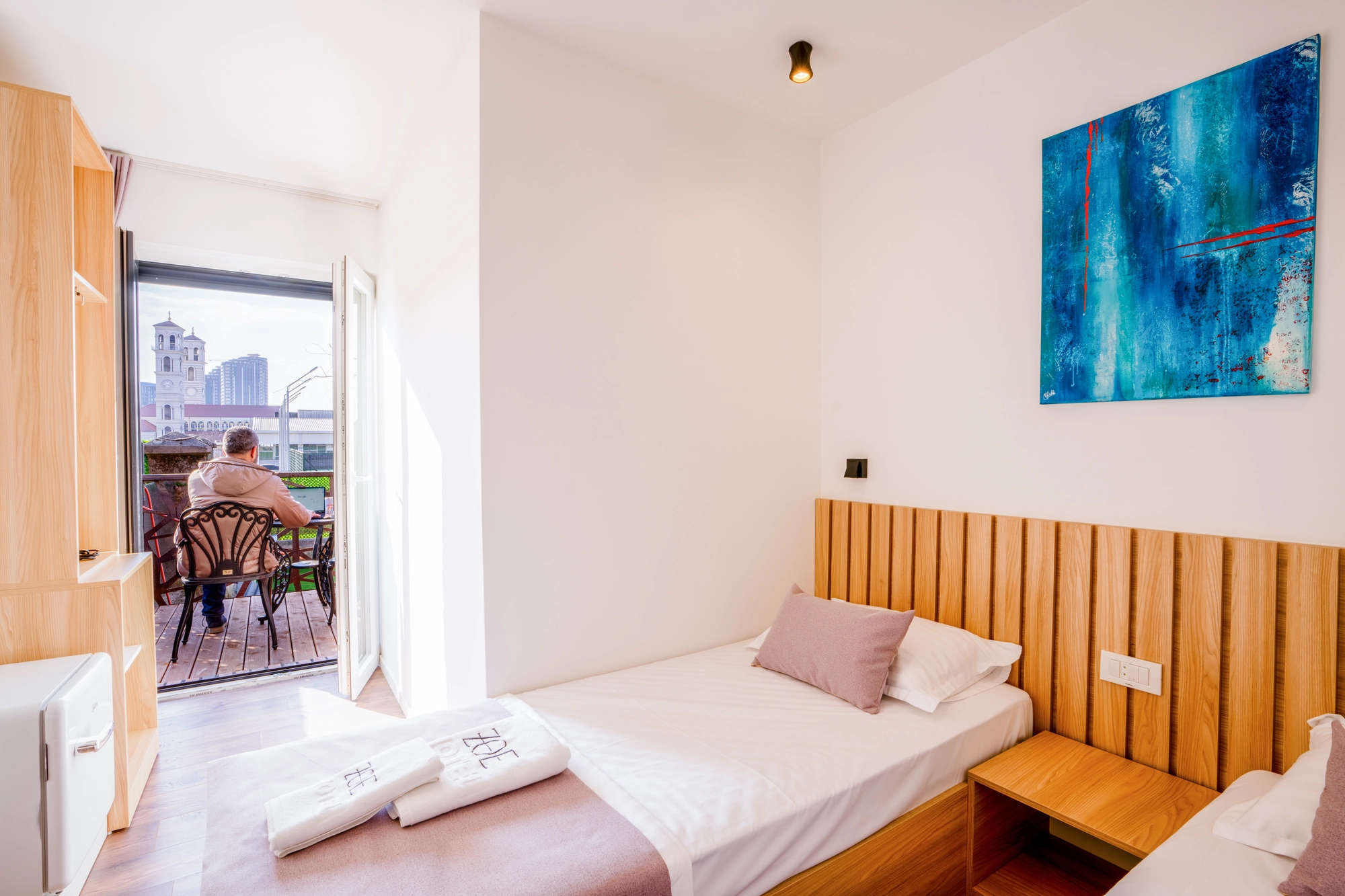
Kosovo is one of the friendliest and most welcoming countries in Europe, but many travelers still hesitate because of outdated impressions from the 1990s. Here is a calm, practical look at safety in Kosovo today, with no hype and no fear-mongering.
The short answer
Yes, Kosovo is safe for tourists. Violent crime against visitors is rare. Most travelers report feeling safer walking around Prishtina at night than in many larger European capitals.
Like anywhere, you should use basic common sense, but there is nothing about a trip to Kosovo that requires a special level of caution.
What the numbers say
Kosovo consistently ranks among the safer destinations in Europe for tourists. Pickpocketing in busy areas is the most common petty crime, but even that is rare compared to cities like Paris, Barcelona, or Rome.
Prishtina is home to international organizations, diplomats, and NATO personnel. The infrastructure around safety and emergency response reflects that.
Is Prishtina safe at night?
Yes. Central Prishtina is lively late into the night, especially on weekends. Mother Teresa Boulevard, Pejton, and Soba Street are busy with locals and visitors until after midnight.
Walking alone in the center at night is generally fine, both for men and for women. Like in any city, stick to well-lit streets and trust your instincts.
Solo travel in Kosovo
Solo travelers, including solo women, regularly report great experiences in Kosovo. Locals are famously welcoming and will often strike up conversations, offer help with directions, or invite you to share a coffee.
If you are traveling solo, picking a central hotel with a real front desk or reliable self check-in adds an extra layer of comfort for late arrivals.
Health and emergencies
Prishtina has private clinics and pharmacies with English-speaking staff. The emergency number in Kosovo is 112. Travel insurance is still a smart idea, as it is anywhere.
Tap water in Prishtina is generally safe to drink, but many locals and visitors prefer bottled for taste.
Driving and road safety
Roads in and around Prishtina are in good condition, and driving standards are comparable to neighboring countries. Drivers can be assertive, especially in city traffic.
If you are not used to driving in the Balkans, taxis, Bolt, and private transfers are cheap and reliable inside the city.
Travel advisories and the northern region
Most major governments currently list Kosovo as safe for travel, with standard precautions. Some advisories mention caution near the northern border with Serbia, where political tensions occasionally affect specific municipalities.
None of this affects Prishtina, Prizren, Peja, Gjakova, or any of the usual tourist destinations. For your trip, these warnings are rarely relevant in practice.
Common-sense tips
- Keep your passport and valuables in the hotel safe when possible
- Use licensed taxis or ride-hailing apps rather than random street cars
- Watch your bag in crowded areas like markets and nightlife spots
- Share your itinerary with someone at home, especially for day trips
- Learn a few phrases of Albanian or Serbian, it is appreciated